%2Ffit-in%2F250x250%2Fguide_websites%2F183749%2Fimages%2F1787721774768658506595_10233336158129453_8332696520774242429_n.jpg&w=1920&q=100)
/users/7d79a8de-05cd-46b4-98d7-428a934454db/ratecard/731711709_18062082524548987_3374554703404363900_n-mt9m8duu.jpg)
%2F300x300%2Fusers%2F7d79a8de-05cd-46b4-98d7-428a934454db%2Fratecard%2F731711709_18062082524548987_3374554703404363900_n-mt9m8duu.jpg&w=256&q=75)
%2F300x300%2Fusers%2F7d79a8de-05cd-46b4-98d7-428a934454db%2Fimages%2Fcharleston-redfish-fishing-charter-2787.jpg&w=256&q=75)
%2F300x300%2Fusers%2F7d79a8de-05cd-46b4-98d7-428a934454db%2Fimages%2Fbonnethead-shark-charleston-fishing-2679.jpg&w=256&q=75)
%2F300x300%2Fusers%2F7d79a8de-05cd-46b4-98d7-428a934454db%2Fimages%2Fcharleston-redfish-netted-catch-2612.jpg&w=256&q=75)
%2F300x300%2Fusers%2F7d79a8de-05cd-46b4-98d7-428a934454db%2Fimages%2Fcharleston-redfish-boat-catch-2674.jpg&w=256&q=75)
%2F300x300%2Fusers%2F7d79a8de-05cd-46b4-98d7-428a934454db%2Fimages%2Fcharleston-redfish-fishing-catch-2691.jpg&w=256&q=75)
%2F300x300%2Fusers%2F7d79a8de-05cd-46b4-98d7-428a934454db%2Fimages%2Fcharleston-redfish-fishing-boat-2684.jpg&w=256&q=75)
%2F300x300%2Fusers%2F7d79a8de-05cd-46b4-98d7-428a934454db%2Fimages%2Fcharleston-redfish-fishing-catch-2782.jpg&w=256&q=75)
%2F300x300%2Fusers%2F7d79a8de-05cd-46b4-98d7-428a934454db%2Fimages%2Fcharleston-redfish-fishing-catch-2521.jpg&w=256&q=75)
%2F300x300%2Fusers%2F7d79a8de-05cd-46b4-98d7-428a934454db%2Fimages%2Fcharleston-redfish-fishing-catch-2429.jpg&w=256&q=75)
%2F300x300%2Fusers%2F7d79a8de-05cd-46b4-98d7-428a934454db%2Fimages%2Fcharleston-redfish-fishing-success-2711.jpg&w=256&q=75)
Charleston Tidal Waters on Light Tackle
What you will be catching:
 Black Drum
 Redfish
 Sea Trout
 Sheepshead
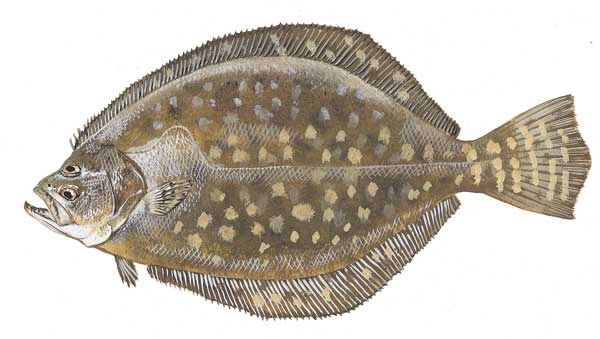 Southern Flounder
- Light tackle fishing for redfish, trout, and seasonal species
- Captain Dominic offers expert guidance with 10 years experience
- Equipment and fishing license included for up to 2 guests
Trip Pricing and Availabilities:
Charleston Tidal Waters on Light Tackle
There's something special about fishing Charleston's tidal waters that keeps anglers coming back year after year. Captain Dominic has spent a decade reading these waters, and he knows exactly where to put you on the fish when conditions are right. This isn't about chasing one specific species—it's about adapting to what the Lowcountry waters are giving us on any particular day. Whether the redfish are tailing in the shallows or the speckled trout are stacked up on structure, you'll be fishing where the action is hottest. With light to medium tackle in your hands, every hookup feels electric, and even smaller fish put up a memorable fight. Spanish Moss Charters keeps things simple—gear and licenses are covered, so all you need to bring is your sense of adventure and maybe some snacks for the ride.
What to Expect on the Water
Captain Dominic runs a relaxed operation that's perfect for anyone looking to experience authentic Charleston fishing without the pressure. You'll launch into some of the most productive inshore waters along the South Carolina coast, where tidal creeks wind through spartina grass and oyster bars create natural ambush points for gamefish. The beauty of this approach is flexibility—if the redfish aren't cooperating in the shallows, you might find yourself working deeper channels for black drum or targeting structure for sheepshead. Light tackle means you're connected to every bump, every run, and every headshake, which makes even a feisty pinfish feel like a monster. The captain's patient teaching style works great for kids and beginners, but experienced anglers appreciate his local knowledge and willingness to try different techniques throughout the day. With just two guests max, you get plenty of personal attention and room to move around the boat.
Techniques That Work Here
Charleston's tidal waters demand versatility, and Captain Dominic has the tackle selection to match. You'll likely start with live or cut bait on circle hooks when targeting redfish and black drum around oyster bars and grass edges. The light tackle setup lets you feel every subtle bite, which is crucial when sheepshead are being finicky around structure. When conditions are right for speckled trout, you might switch to soft plastics on jigheads, working them through deeper holes and channel edges where these fish like to ambush prey. Flounder fishing often means bouncing baits along sandy bottoms near creek mouths, using the tide to your advantage. The captain reads water movement like a book—he knows which spots produce on incoming versus outgoing tides, and when to move from shallow flats to deeper channels. Bottom fishing with light gear is an art form here, requiring just enough weight to stay connected to the bottom without losing sensitivity when fish pick up your bait.
Top Catches This Season
Southern flounder are the chameleons of Charleston's waters, lying perfectly camouflaged on sandy and muddy bottoms near creek mouths and channel edges. These flatfish can grow impressive in these waters, with keeper-sized fish running 15 to 20 inches and providing excellent table fare. Fall and early winter are prime times as they stage for their offshore spawning runs, though you can find them year-round in the right spots. What makes flounder fishing exciting is the subtle bite—often just a slight tick on your rod tip—followed by a surprisingly strong fight as they try to dive back to the bottom and use their flat profile to leverage against the current.
Black drum are the powerhouses of the inshore scene, with fish ranging from puppy drum around 2-3 pounds up to bull drum that can push 20 pounds or more. These copper-colored fighters love oyster bars and structure where they can crush crabs and shellfish with their powerful pharyngeal teeth. Spring and fall see the best action, though you can connect with drum throughout most of the year. On light tackle, even a modest black drum feels like you've hooked into a freight train, using their broad shoulders and stubborn nature to test your drag system and patience.
Sheepshead earn their nickname as the "convict fish" with distinctive black stripes, but it's their notorious bait-stealing abilities that make them both frustrating and addictive to target. These fish have human-like teeth for crushing barnacles and crabs around pilings, docks, and oyster bars. Winter months bring some of the best sheepshead fishing as they congregate in deeper channels and around structure. The key is feeling that subtle tap-tap as they nibble, then setting the hook before they strip your bait clean. Land one, and you've got some of the finest eating fish in Charleston waters.
Sea trout, or speckled trout, are the bread and butter of Charleston inshore fishing, with their beautiful golden sides and distinctive spots. These fish average 12-16 inches but can reach trophy size over 20 inches in these productive waters. They're most active during cooler months, holding in deeper grass beds, channel edges, and around structure where they can ambush shrimp and small baitfish. Specks hit both artificial lures and live bait with authority, and their acrobatic jumps on light tackle provide some of the most fun you'll have on the water.
Redfish are the crown jewel of Lowcountry fishing, with their copper-red coloration and distinctive black spots making them unmistakable. Charleston's population includes both slot-sized fish perfect for the dinner table and oversized bulls that provide heart-stopping runs. These fish feed aggressively around oyster bars, grass flats, and tidal creeks, often giving away their presence by tailing or creating nervous water. On light tackle, a quality redfish will test every knot and technique you know, using their broad tail and bulldog attitude to fight you every inch of the way to the boat.
Time to Book Your Spot
Charleston's inshore fishing stays productive year-round, but the best days fill up fast with local anglers and visitors who know what they're looking for. Captain Dominic's
Learn more about the species
Black Drum
Black Drum are the heavyweights of Charleston's inshore waters, commonly running 10-30 pounds with some bulls pushing 50+. These powerful fish love oyster beds, muddy flats, and creek channels where they crush crabs and shellfish with those massive jaw muscles. Spring around spawning season is prime time when they school up and get aggressive. You'll hear them "drumming" underwater - that's how they got their name. They put up a serious fight on light tackle, using that broad body to bulldoze toward structure. Smaller fish under 15 pounds eat great, but the big ones are better released. Pro tip: use fresh blue crab or fiddler crab on bottom, and when they pick it up, give them time to swallow before setting the hook.

Redfish
Redfish are Charleston's signature species - bronze-backed beauties with that distinctive black spot near the tail. They typically run 18-27 inches (our slot size) and 3-8 pounds, with occasional bull reds over 30 inches. These fish love super shallow water, often with their backs showing in just 1-3 feet over oyster bars, grass flats, and creek edges. Fall is prime time when they school up and feed aggressively, but we catch them year-round. What gets people hooked is watching them cruise the shallows and that explosive strike when they hit. Great table fare within the slot. They're not picky eaters - live shrimp, cut bait, or artificials all work. My go-to tip: look for nervous water or tailing fish, cast ahead of where they're moving, and let your bait settle naturally.

Sea Trout
Speckled Trout are Charleston's bread-and-butter inshore fish, with those beautiful spotted sides and aggressive strikes. Most run 14-20 inches and 1-3 pounds, perfect for light tackle action. They love grass flats, creek mouths, and oyster bars in 2-8 feet of water. Spring through fall are peak times, especially early morning and evening. What makes them special is their willingness to hit topwater lures - nothing beats that surface explosion at dawn. They're also excellent eating with tender, flaky white meat. During cold snaps they move to deeper holes and channels. Local trick: work a shrimp-tipped jig slowly over grass beds on moving water. When the tide's right and they're feeding, you can catch them one after another. Just remember they have soft mouths, so don't horse them in.

Sheepshead
Sheepshead are the "convict fish" with those distinctive black stripes and human-like teeth that can crack barnacles off dock pilings. They typically run 2-6 pounds and 14-18 inches, though we see some 8+ pounders around the jetties. Look for them around any structure - bridges, docks, oyster bars, anywhere barnacles grow. Spring through fall they're most active, especially around incoming tides. They're notorious bait thieves with incredibly light bites, but once hooked they fight hard for their size. Excellent table fare with sweet, flaky white meat. The key is getting your bait tight to structure and feeling for that subtle "tick-tick" bite. My advice: use small hooks with fiddler crab or shrimp, keep a tight line, and set quick when you feel them mouthing the bait.

Southern Flounder
Southern Flounder are unique flatfish with both eyes on one side of their head - perfect ambush predators that bury in sand and mud bottoms. Most run 15-18 inches and 2-5 pounds, though we see some pushing 8+ pounds. They love shallow flats, creek mouths, and oyster bars where they can blend into the bottom waiting for bait fish. Fall and winter are prime time when they're feeding heavily before moving offshore. What makes them special is that camouflage ability - they actually change color to match the bottom. Great table fare with sweet, flaky meat. My local tip: when you feel that subtle tap-tap on bottom, don't set the hook right away. Let them chew it for a second, then sweep up firm.

About the Spanish Moss Charters
%2F%2Fusers%2F7d79a8de-05cd-46b4-98d7-428a934454db%2Fvehicle_picture%2Fchatgptimageaug26202611_59_00am-mt9kj3aq.png&w=1920&q=75)
Vehicle Guest Capacity: 6
Manufacturer Name: Yamaha
Maximum Cruising Speed: 40
Number of Engines: 1
Horsepower per Engine: 150
