%2Ffit-in%2F250x250%2Fguide_websites%2F183749%2Fimages%2F1787721774768658506595_10233336158129453_8332696520774242429_n.jpg&w=1920&q=100)
/users/7d79a8de-05cd-46b4-98d7-428a934454db/ratecard/730294645_18061141091548987_3267661046390957791_n-mt9m1ktr.jpg)
%2F300x300%2Fusers%2F7d79a8de-05cd-46b4-98d7-428a934454db%2Fratecard%2F730294645_18061141091548987_3267661046390957791_n-mt9m1ktr.jpg&w=256&q=75)
%2F300x300%2Fusers%2F7d79a8de-05cd-46b4-98d7-428a934454db%2Fimages%2Fcharleston-redfish-fishing-charter-2787.jpg&w=256&q=75)
%2F300x300%2Fusers%2F7d79a8de-05cd-46b4-98d7-428a934454db%2Fimages%2Fbonnethead-shark-charleston-fishing-2679.jpg&w=256&q=75)
%2F300x300%2Fusers%2F7d79a8de-05cd-46b4-98d7-428a934454db%2Fimages%2Fcharleston-redfish-netted-catch-2612.jpg&w=256&q=75)
%2F300x300%2Fusers%2F7d79a8de-05cd-46b4-98d7-428a934454db%2Fimages%2Fcharleston-redfish-boat-catch-2674.jpg&w=256&q=75)
%2F300x300%2Fusers%2F7d79a8de-05cd-46b4-98d7-428a934454db%2Fimages%2Fcharleston-redfish-fishing-catch-2691.jpg&w=256&q=75)
%2F300x300%2Fusers%2F7d79a8de-05cd-46b4-98d7-428a934454db%2Fimages%2Fcharleston-redfish-fishing-boat-2684.jpg&w=256&q=75)
%2F300x300%2Fusers%2F7d79a8de-05cd-46b4-98d7-428a934454db%2Fimages%2Fcharleston-redfish-fishing-catch-2782.jpg&w=256&q=75)
%2F300x300%2Fusers%2F7d79a8de-05cd-46b4-98d7-428a934454db%2Fimages%2Fcharleston-redfish-fishing-catch-2521.jpg&w=256&q=75)
%2F300x300%2Fusers%2F7d79a8de-05cd-46b4-98d7-428a934454db%2Fimages%2Fcharleston-redfish-fishing-catch-2429.jpg&w=256&q=75)
%2F300x300%2Fusers%2F7d79a8de-05cd-46b4-98d7-428a934454db%2Fimages%2Fcharleston-redfish-fishing-success-2711.jpg&w=256&q=75)
Charleston Light-Tackle Variety Fishing Trip
What you will be catching:
 Black Drum
 Redfish
 Sea Trout
 Sheepshead
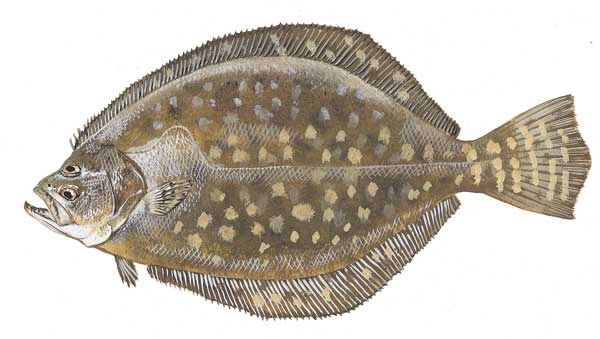 Southern Flounder
- Light-tackle fishing targets multiple species seasonally
- Captain Dominic brings 10 years Charleston waters expertise
- Family-friendly trips include all equipment and licenses
Trip Pricing and Availabilities:
Charleston Light-Tackle Variety Fishing Trip
Captain Dominic's Charleston inshore fishing trips are built around one simple idea: let the fish decide what kind of day you're going to have. With a decade of reading these coastal waters, he's learned that the best fishing happens when you stay flexible and work with what Mother Nature gives you. This isn't a rigid charter where you're locked into chasing one species all day. Instead, you'll move between productive spots targeting whatever's biting best - whether that's redfish cruising the grass flats, speckled trout hitting topwater in the early morning, or sheepshead picking around dock pilings. Light to medium tackle keeps every fish feeling substantial without being overwhelming, making this trip perfect for first-timers while still keeping experienced anglers engaged. With only two guests per trip, you'll get plenty of hands-on attention and won't spend the day waiting for your turn at the rod.
What to Expect on the Water
Your day starts with Captain Dominic checking the latest tide charts, weather patterns, and recent fish reports to map out the most productive spots. Charleston's inshore waters offer incredible variety - shallow grass flats where redfish tail in knee-deep water, deeper creek mouths where trout ambush baitfish, and structured areas around docks and oyster beds that hold sheepshead and black drum. The beauty of this trip is adapting to conditions as they unfold. Maybe you start the morning working topwater plugs over grass beds, then switch to live shrimp around structure when the tide changes. Captain Dominic provides all fishing gear, tackle, and the required South Carolina fishing license, so you just need to bring your enthusiasm and maybe some snacks for the cooler. The relaxed pace means there's time to learn proper techniques, take photos, and actually enjoy being on the water instead of rushing from spot to spot.
Light-Tackle Techniques
The light to medium tackle setup is where this trip really shines. You'll be using spinning reels spooled with 15-20 pound test line, paired with rods sensitive enough to feel every tap and nibble but with enough backbone to handle bigger fish. Techniques vary based on what's working - maybe you're sight-fishing to tailing redfish with gold spoons, working soft plastics along oyster bars for sheepshead, or drifting live shrimp under popping corks for trout. Captain Dominic will show you how to read the water, identify productive structure, and adjust your presentation based on tide flow and fish behavior. The gear is forgiving enough that kids and beginners can handle it comfortably, but don't be fooled - when a 25-inch red bull charges off with your bait, you'll feel every bit of that fight on light tackle. The boat is rigged with quality gear from reputable manufacturers, and Captain Dominic keeps a variety of baits and lures to match whatever the fish are wanting that particular day.
Species You'll Want to Hook
Redfish are the bread and butter of Charleston inshore fishing, and for good reason. These copper-colored fighters are available year-round, though fall and spring offer the most consistent action. Slot-sized reds between 15-23 inches are perfect eating and put up a solid scrap on light tackle. What makes them special here is the sight-fishing opportunities - watching a red's back and tail break the surface as it roots around in shallow water, then making the perfect cast just ahead of its path. They're not particularly line-shy, making them ideal for newer anglers, but their habit of running straight for the nearest oyster bed keeps things interesting.
Sea trout, or speckled trout as locals call them, are the finesse fish of the bunch. These beautiful spotted predators love grass flats and creek mouths, especially during moving tides. Spring through fall offers the best trout fishing, with early morning and late afternoon being prime times. They're more particular about presentation than reds, often requiring a subtle approach with soft plastics or live shrimp. A good trout bite can be fast and furious, with multiple fish caught from the same spot before they spook. Their delicate mouths mean you need to play them carefully, but that's part of what makes them so satisfying to catch on light tackle.
Sheepshead are the technical challenge of Charleston inshore fishing. These black and white striped fish hang around structure like dock pilings, bridges, and oyster beds, picking off crabs and barnacles with their human-like teeth. They're notorious bait thieves, often stealing your shrimp so delicately you don't even feel it. But when you hook one, they fight with surprising strength for their size. Fall and winter are prime sheepshead season, when they school up around deeper structures. They're excellent table fare and provide a fun change of pace when the bite for other species slows down.
Black drum are the heavyweight champions of the inshore scene. While the smaller ones fight similarly to redfish, bigger drum can really test your tackle and technique. They're bottom feeders, so you'll typically fish for them with cut bait or crabs around oyster beds and deeper holes. Spring brings the best big drum fishing as they move into spawning areas. Even a 15-pound drum will make your arms burn on light tackle, and the occasional 30+ pounder that shows up will provide a story worth telling. They're not the prettiest fish, but their pulling power more than makes up for their looks.
Southern flounder are the flatfish prize of Charleston waters. These ambush predators bury themselves in sandy bottoms near creek mouths and drop-offs, waiting for baitfish to swim within striking distance. Fall is prime flounder time as they fatten up before their offshore spawning run. They require a different approach - usually bouncing soft plastics or live baits along the bottom near structure. When a flounder hits, it often feels like you've snagged the bottom until suddenly your "snag" starts swimming away. They're among the best eating fish in these waters, making them a favorite target for anglers who like
Learn more about the species
Black Drum
Black drum are the heavyweights of Charleston's inshore scene, ranging from 5-30 pounds with some monsters pushing 50+. These powerful fish love oyster beds, creek mouths, and shallow muddy flats where they root around crushing crabs and shellfish with their strong jaws. Spring spawning season brings the best fishing when they school up in big numbers. What guests love about drum fishing is the serious pull these fish deliver - even smaller ones fight like they're twice their size. The meat on fish under 15 pounds is excellent, with a mild flavor that's perfect on the grill. They're notorious for subtle bites, so keep your drag loose and watch for slow, steady pressure rather than aggressive strikes. Fresh blue crab or cut mullet on the bottom is hard to beat, and don't be afraid to fish super shallow water where you can see their backs.

Redfish
Redfish are Charleston's signature inshore species, sporting copper backs and distinctive black spots near their tails. Most slot fish run 18-27 inches, while the big bulls can push 40+ inches and 30 pounds. Look for them in 1-4 feet of water around oyster bars, grass flats, and creek mouths where they cruise looking for crabs and baitfish. Fall and spring offer peak action, but they bite year-round in our mild climate. What makes reds special is their powerful fights, willingness to eat topwater lures, and that iconic spot that fools predators. Smaller ones are excellent eating with sweet, firm meat. The real trick is sight-fishing - learning to spot their backs and tails in shallow water. When you see one, cast past them and work your bait back into their path. Cut bait works, but nothing beats the excitement of a red crushing a topwater plug in skinny water.

Sea Trout
Speckled trout are the bread and butter of Charleston's grass flats, typically running 14-20 inches with occasional 4-5 pounders that get your attention. These spotted beauties love shallow grass beds, oyster bars, and drop-offs where they feed on shrimp and small baitfish. Cool weather months and moving water on the flats produce the most consistent action. Trout are popular because they bite well, fight decent for their size, and make excellent table fare with tender white meat - just don't overcook them. They're also great for beginners since they're usually willing to eat. The trick is fishing the grass edges during moving tide, especially early morning and late evening. Live shrimp under a popping cork is the go-to setup, but soft plastics on light jigheads work great when you want to cover water and find active schools.

Sheepshead
Sheepshead are the convict fish of Charleston waters, sporting black stripes and human-like teeth that they use to crush barnacles off dock pilings and jetties. Most run 2-5 pounds and 14-18 inches, though 8-pounders show up around the bigger structures. You'll find them tight to any hard structure - bridges, docks, rock piles - in 5-20 feet of water year-round, with winter and early spring being prime time. Guests love their scrappy fight and the challenge they present as notorious bait thieves. The payoff is some of the best eating fish in our waters - sweet, flaky white meat that's hard to beat. The key is getting your bait right against the structure where they feed, and when you feel those subtle taps, set the hook hard and fast. Fiddler crabs and fresh shrimp are top baits, but don't overlook barnacles scraped right off the pilings.

Southern Flounder
Southern flounder are masters of disguise that lie buried in sand and mud waiting for prey to swim by. These flatfish typically run 15-18 inches but can reach over 30 inches. You'll find them on shallow flats, around creek mouths, and near structure where they ambush shrimp, crabs, and small baitfish. Fall through early spring offers the best action when they're moving through our local waters. What makes them special is their unique appearance - both eyes on one side of their head - and excellent table fare with sweet, white meat. They're sneaky biters, so when you feel that telltale tap-tap-tap, give them a second to get the bait fully in their mouth before setting the hook. Fresh shrimp and live mud minnows work great, but slow-dragged soft plastics can be deadly too.

About the Spanish Moss Charters
%2F%2Fusers%2F7d79a8de-05cd-46b4-98d7-428a934454db%2Fvehicle_picture%2Fchatgptimageaug26202611_59_00am-mt9kj3aq.png&w=1920&q=75)
Vehicle Guest Capacity: 6
Manufacturer Name: Yamaha
Maximum Cruising Speed: 40
Number of Engines: 1
Horsepower per Engine: 150
