%2Ffit-in%2F250x250%2Fguide_websites%2F183749%2Fimages%2F1787721774768658506595_10233336158129453_8332696520774242429_n.jpg&w=1920&q=100)
/users/7d79a8de-05cd-46b4-98d7-428a934454db/ratecard/2-mt9lyrvy.jpg)
%2F300x300%2Fusers%2F7d79a8de-05cd-46b4-98d7-428a934454db%2Fratecard%2F2-mt9lyrvy.jpg&w=256&q=75)
%2F300x300%2Fusers%2F7d79a8de-05cd-46b4-98d7-428a934454db%2Fimages%2Fcharleston-redfish-fishing-charter-2787.jpg&w=256&q=75)
%2F300x300%2Fusers%2F7d79a8de-05cd-46b4-98d7-428a934454db%2Fimages%2Fbonnethead-shark-charleston-fishing-2679.jpg&w=256&q=75)
%2F300x300%2Fusers%2F7d79a8de-05cd-46b4-98d7-428a934454db%2Fimages%2Fcharleston-redfish-netted-catch-2612.jpg&w=256&q=75)
%2F300x300%2Fusers%2F7d79a8de-05cd-46b4-98d7-428a934454db%2Fimages%2Fcharleston-redfish-boat-catch-2674.jpg&w=256&q=75)
%2F300x300%2Fusers%2F7d79a8de-05cd-46b4-98d7-428a934454db%2Fimages%2Fcharleston-redfish-fishing-catch-2691.jpg&w=256&q=75)
%2F300x300%2Fusers%2F7d79a8de-05cd-46b4-98d7-428a934454db%2Fimages%2Fcharleston-redfish-fishing-boat-2684.jpg&w=256&q=75)
%2F300x300%2Fusers%2F7d79a8de-05cd-46b4-98d7-428a934454db%2Fimages%2Fcharleston-redfish-fishing-catch-2782.jpg&w=256&q=75)
%2F300x300%2Fusers%2F7d79a8de-05cd-46b4-98d7-428a934454db%2Fimages%2Fcharleston-redfish-fishing-catch-2521.jpg&w=256&q=75)
%2F300x300%2Fusers%2F7d79a8de-05cd-46b4-98d7-428a934454db%2Fimages%2Fcharleston-redfish-fishing-catch-2429.jpg&w=256&q=75)
%2F300x300%2Fusers%2F7d79a8de-05cd-46b4-98d7-428a934454db%2Fimages%2Fcharleston-redfish-fishing-success-2711.jpg&w=256&q=75)
Charleston Coastal Shark Challenge
What you will be catching:
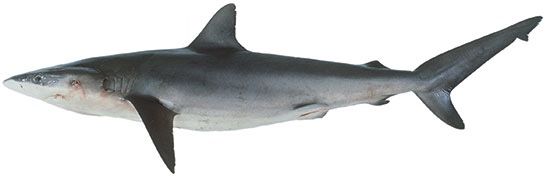
 Blacktip Shark
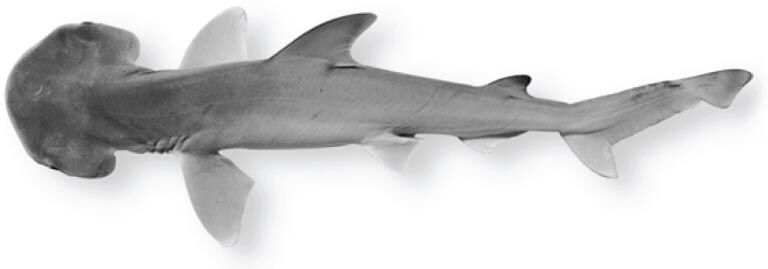 Bonnethead Shark
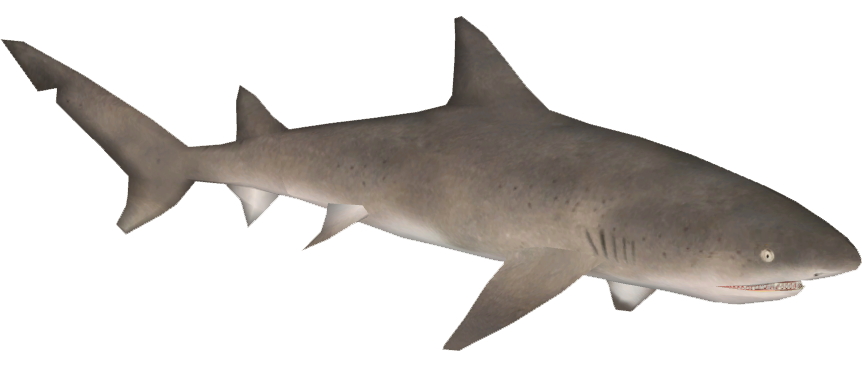
 Bull Shark
 Lemon Shark
- Target sharks with heavy tackle in Charleston waters
- Captain Dominic offers 10 years local expertise
- All equipment and charter license included
Trip Pricing and Availabilities:
Charleston Coastal Shark Challenge
If you're ready to step up from the usual redfish and trout action, this Charleston shark fishing adventure will test your mettle against some of the coast's most powerful predators. Captain Dominic brings a decade of local knowledge to these waters, targeting everything from scrappy bonnetheads to heavyweight bull sharks that'll make your arms burn. This isn't your typical light tackle outing – we're talking serious gear for serious fish that can peel line off your reel faster than you'd think possible. The rush of feeling a shark hit your bait and start its first run is something that stays with you long after you're back on dry land.
What to Expect on the Water
You'll be fishing Charleston's productive inshore and nearshore waters where sharks patrol year-round, hunting for the abundant baitfish that call these waters home. Captain Dominic reads the conditions daily – water temperature, tide movement, bait activity – and adjusts the game plan accordingly. Some days we'll anchor up over structure where bull sharks cruise, other times we're drifting the flats for blacktips that follow the mullet schools. The boat holds just two anglers, so you're not competing for rod time or prime spots along the rail. When a shark takes your bait, you'll have Captain Dominic's full attention coaching you through the fight, helping you manage the fish while keeping steady pressure. These aren't fish you can horse to the boat – they require patience, technique, and a willingness to let them run when they want to run.
Heavy Tackle & Smart Tactics
We fish with stout conventional reels spooled with heavy braid, paired with rods that can handle the torque when a good fish decides to go deep or make a screaming surface run. Circle hooks are the standard here – they're safer for both angler and fish, and they hook sharks in the corner of the mouth for better control during the fight. Captain Dominic rigs everything from wire leaders to chunk baits, whether we're using fresh cut mullet, bluefish, or whatever's running thick that day. The approach changes with the target – bonnetheads might take smaller baits on lighter wire, while bulls require serious hardware and chunks that get their attention. You'll learn to read your rod tip, feel the difference between a crab picking at bait and the solid weight of a shark mouthing your offering. The captain handles the boat positioning and gaff work, so your job is to stay connected and work the fish smart.
Species You'll Want to Hook
Bonnethead sharks are the perfect introduction to shark fishing – these smaller hammerheads rarely exceed 3 feet but they're aggressive feeders and put up a spirited fight on appropriate tackle. They're abundant in Charleston's shallow waters from spring through fall, often found cruising grass flats and oyster bars. What makes them special is their willingness to bite during daylight hours and their acrobatic tendencies when hooked. Don't let their size fool you – a bonnethead on the right gear is pure fun.
Blacktip sharks bring the aerial show that gets everyone's adrenaline pumping. These silver bullets can reach 6 feet and are famous for their spectacular jumps when hooked, spinning and tail-walking across the surface. Peak season runs from late spring through early fall when they follow bait schools into the shallows. Blacktips hit hard and run fast, making multiple jumps during a typical fight. They're the sharks that make for the best photos and the stories you'll tell for years.
Lemon sharks are the bulldozers of Charleston's shark scene – thick, powerful fish that can push 8 feet and prefer to stay deep and pull hard rather than jump. They're more common during warmer months and favor areas with good current flow near structure. What sets lemons apart is their endurance – they'll make long, steady runs that test your tackle and your arms. Landing a good lemon shark is an accomplishment that earns respect from any serious angler.
Bull sharks represent the apex of Charleston shark fishing – these are the heavyweights that can exceed 200 pounds and have the attitude to match their reputation. They're year-round residents but most active in warmer water, often found near creek mouths and structure where they ambush prey. Bulls are incredibly strong and notoriously stubborn fighters that use their bulk and power to try to break you off. Successfully landing a bull shark is fishing at its most challenging and rewarding level.
Time to Book Your Spot
This top-rated Charleston shark fishing experience fills up fast, especially during peak season when conditions are most favorable. Captain Dominic's decade of local expertise and commitment to putting you on fish has made this a customer favorite among serious anglers looking for their next challenge. All the specialized tackle and charter license are included, so you just need to bring your fighting spirit, plenty of water, and reef-safe sunscreen for a day of world-class shark action. Whether you're looking to check shark fishing off your bucket list or add some serious pulling power to your Charleston fishing adventure, this trip delivers the kind of arm-burning, reel-screaming action that reminds you why you love fishing in the first place. Book now and get ready to lean into something that pulls back harder than anything you've felt before.
Learn more about the animals
Blacktip Shark
Blacktips are some of the most athletic sharks we target, known for their signature jumps and acrobatic fights. These streamlined sharks average 4-5 feet but can reach up to 8 feet, with those distinctive black-tipped fins that give them their name. You'll find them cruising in 30-100 feet of water around reefs and structure during warmer months. They're aggressive feeders that go after mackerel, herring, and sardines, making them excellent targets for chumming. What makes blacktips special is their explosive energy - they'll leap clear out of the water multiple times during a fight. Best technique is using oily baits like cut mackerel or live sardines on circle hooks with heavy braid. The oil creates a scent trail that brings them in hot and ready to feed.

Bonnethead Shark
The smallest hammerhead you'll encounter, bonnetheads are easy to spot with their shovel-shaped heads and brownish-gray coloring. These 3-4 foot sharks are actually pretty shy compared to other species, but they'll put up a solid fight once hooked. We find them in shallow bays and inshore waters during summer months when they migrate up from Florida. They travel in schools of 10-15, so where you catch one, there's usually more around. Bonnetheads feed heavily on blue crabs, which makes fresh crab chunks your best bet for bait. Pro tip: cut the crab in half and hook it through a leg joint - the scent trail will draw them in from a good distance, and that natural presentation is hard for them to resist.

Bull Shark
Bulls are the heavyweight champions of inshore shark fishing - thick, powerful, and absolutely relentless once hooked. These gray bruisers average 8-10 feet and can push 300 pounds, making every hookup a serious test of your gear and endurance. We find them in shallow coastal waters, especially around river mouths and brackish areas where they hunt. Summer months are prime time when they move into the Chesapeake Bay system. What makes bulls special is their unique ability to tolerate fresh and saltwater, plus their reputation as one of the strongest fighting sharks. They'll make long, sustained runs that'll have your arms burning. Fresh eel is hands down the best bait - its high oil content and tough skin create the perfect scent trail while staying on the hook through their aggressive strikes.

Lemon Shark
Lemon sharks are built for power with their distinctive yellow-bronze coloring and stocky build. These coastal predators typically run 6-8 feet and are known for their aggressive strikes and bulldogging fights that'll test your tackle and stamina. We target them in shallow waters around structure, inlets, and sandy flats where they hunt for rays, crabs, and smaller fish. Summer through early fall gives you the best shot when water temps are up and they're actively feeding. What draws anglers to lemons is their raw strength - they don't jump like other species but they'll drag you around with steady, powerful runs. Fresh stingray chunks work great, but cut mullet or jack crevalle will do the trick. Keep your bait on the bottom near structure and be ready for a serious tug-of-war.

About the Spanish Moss Charters
%2F%2Fusers%2F7d79a8de-05cd-46b4-98d7-428a934454db%2Fvehicle_picture%2Fchatgptimageaug26202611_59_00am-mt9kj3aq.png&w=1920&q=75)
Vehicle Guest Capacity: 6
Manufacturer Name: Yamaha
Maximum Cruising Speed: 40
Number of Engines: 1
Horsepower per Engine: 150
